Colour Psychology's Role in Modern Marketing
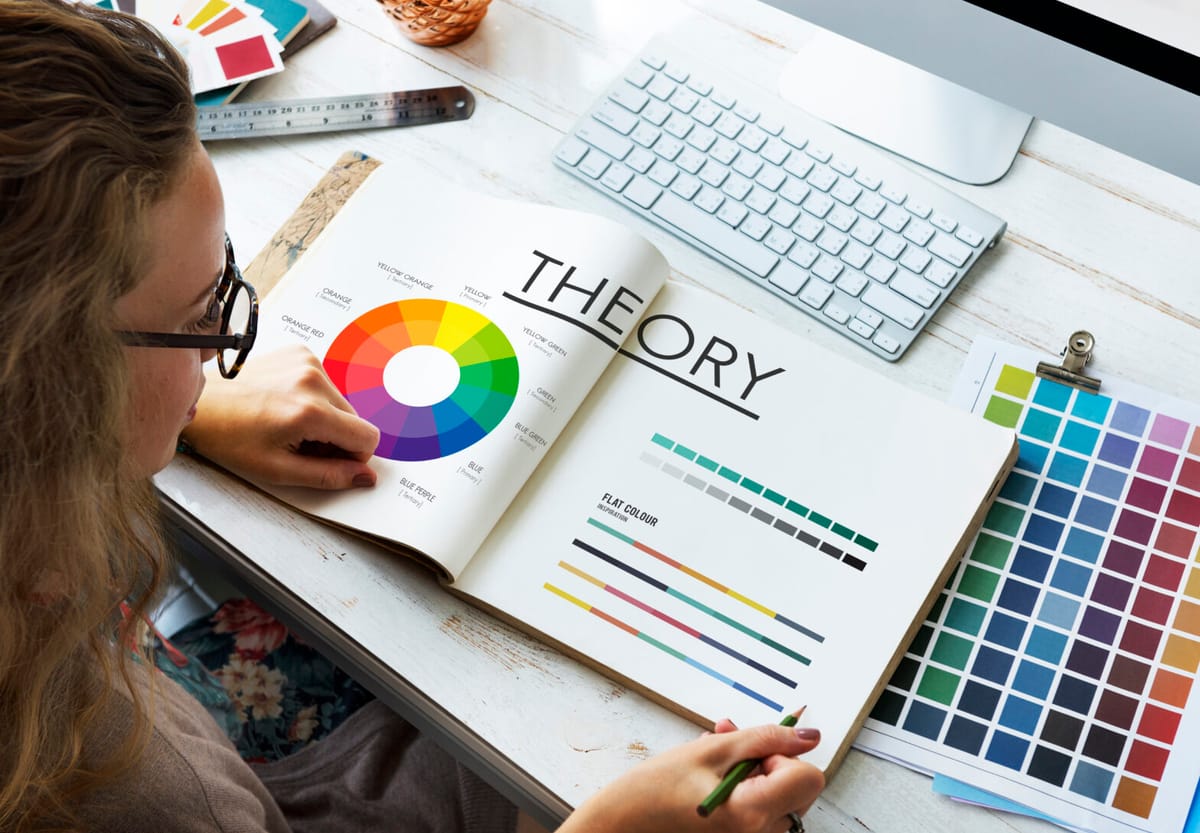
Written by Chahd Ouidadi, Ottawa, November 8, 2024 – Colour is dynamic, complex, and limitless, encompassing a wide range of dimensions and qualities that invite endless exploration. Colour psychology is the study of how different colours affect our moods, choices, and behaviour. In a marketing context, colour psychology is used to improve brand identity, arouse specific emotions among consumers, influence purchasing decisions, and create visually appealing marketing materials that differentiate products and attract consumers. While colour interpretation often depends on personal experiences, there has been extensive research on how colour can persuade and affect consumers.
Colour is crucial in a consumer's first impression of a brand or product. For instance, black is a staple colour that can make a brand appear sophisticated. Many luxury companies, such as Chanel, use black to make their logos look sleek and refined. If a high-end watch manufacturer aims to communicate sophistication and premium value, this colour may be selected. Conversely, Crayola uses the colour yellow, which exemplifies traits of joy, childhood, and optimism.
Selecting the right colour can play a vital role in transmitting information. Individuals make their decisions within 90 seconds of first viewing a product, and colour alone can account for up to 90% of the factors influencing that decision. This highlights the importance of marketers understanding the impact of their colour choices on consumers' ability to distinguish products and identify brands.
"Colour theory is an important asset for companies that want to effectively connect with their target market and drive sales. By understanding the psychological impact and meaning of colours, companies can convey their brand message more accurately and evoke specific emotions in their audience. Whether choosing the right colours for branding or integrating colour into marketing strategies, colour theory is crucial to designing impactful and memorable campaigns."
For example, bright colours evoke urgency or excitement, often promoting sales or attracting attention. On the other hand, softer shades such as blue and green create a sense of confidence and serenity that brands in the banking and healthcare sectors often choose. Specific colours can even stimulate or dampen purchasing behaviour. For example, red is often used in sale signs because it creates a sense of urgency and excitement, whereas navy blue signifies a more thoughtful purchasing response. By applying these principles in marketing efforts, companies can stand out from the competition and build a recognizable brand identity, strengthening their connection with consumers.
"Colour is a power which directly influences the soul," comments artist Wassily Kandinsky, suggesting the importance and impact of colour on human emotions and perceptions, which are used in day-to-day marketing. By strategically applying colour theory, companies can effectively influence purchasing decisions and convey messages they want to communicate to consumers to entice them toward their products.
References
99designs. "Color Psychology: How Color Meanings Affect Your Brand." 99designs Blog. Written by Lindsay Kramer. Retrieved November 5, 2024, from https://99designs.com/blog/tips/color-psychology/.
Help Scout. "The Psychology of Color in Marketing and Branding." Help Scout Blog. Written by Gregory Ciotti. Retrieved November 6, 2024, from https://www.helpscout.com/blog/psychology-of-color/.
Insights in Marketing. "How Does Color Affect Consumer Behavior?" Insights in Marketing. Retrieved November 4, 2024, from https://insightsinmarketing.com/how-does-color-affect-consumer-behavior/.
Instapage. "The Ultimate Guide to Color Psychology with Examples." Instapage Blog. Written by Fahad Muhammad. Retrieved November 5, 2024, from https://instapage.com/blog/ultimate-guide-to-color-psychology/.
Palo Creative. "The Power of Color: Exploring the World of Color Theory in Marketing." Palo Creative Blog. Retrieved November 6, 2024, from https://www.palocreative.com/blog/the-power-of-color-exploring-the-world-of-color-theory-in-marketing/.